
Harvest
Reaping the Harvest
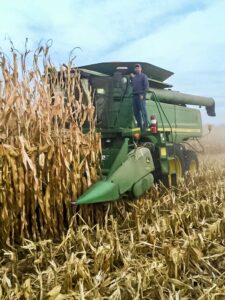
Reaping the Harvest; what started months prior, with soil sampling, seed selection, planting, fertilizing, spraying, and praying for rain, climaxing with gathering the crop that we worked so hard to produce.
Operations Corn
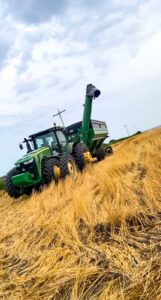
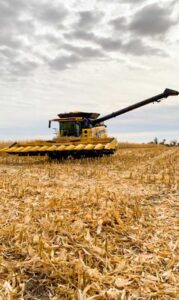
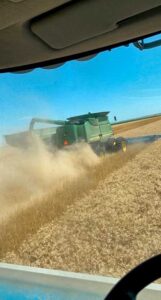
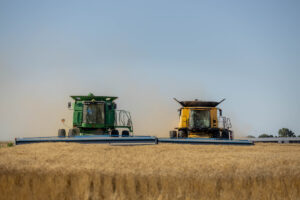
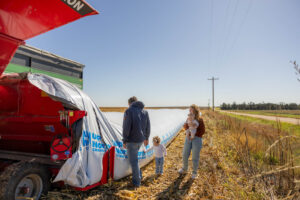
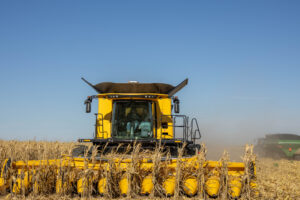
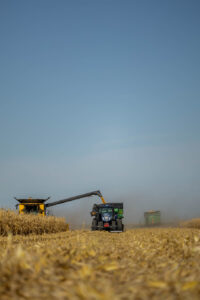
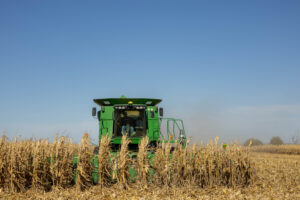
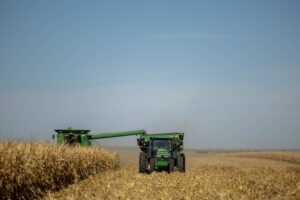
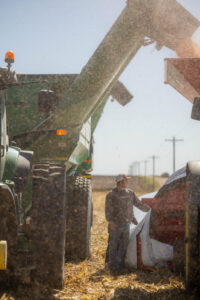
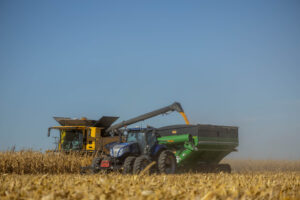
We operate two combines and two grain carts in the harvest field when the corn yield is high. Unloading on the go from the combine to the grain cart creates optimum efficiency. Our truck lineup will vary as well, depending on distance to the elevator and the yield of the crop. Three to four semi’s are usually sufficient to keep the combines moving forward when hauling to the bin or elevator. For extra storage we started utilizing grain bags at the edge of the field.
Bags vary in size, but the ones we use hold around 12,000 bushels. It takes a special machine to load the bag, but it saves time and labor as the cart dumps directly into it, eliminating the need for trucks. Using another machine at a later date, we unload the grain from these bags and haul it to the market end point.
Operations Wheat
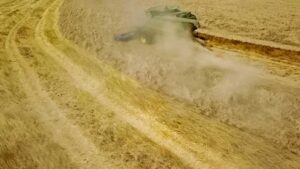
For wheat we use shelbourne headers to leave as much stubble standing as possible. Stripper header harvested stubble provides more moisture conserving benefits than conventionally harvested stubble. Research has found that the stripped wheat stubble reflects heat, reducing evaporation. It also increases water infiltration, traps snow and, ultimately, increases soil water storage furthering the reduction of evaporation.
That makes planting corn in this stubble the following spring a suitable environment for an area that only gets 20 inches per year rainfall. Keeping the moisture more readily available with a mulch of straw.
Technology & Data
The grain cart operators monitor and log the scales data loaded out of each field. One of which is on an ipad, which can also be viewed from the combine via bluetooth to the iphone. Each load is recorded on each field and a summary can be emailed back to the office for printing. The second cart we run in fall crops keep a written record which is added to the electronic record after each field is completed. This final summary includes cart scales weight, time loaded, field, gps location, and elevator account number. This helps keep everything straight when checking ticket errors by totaling loads for each field.
Elevator scale tickets and grain cart logs from the prior days harvest is checked, recorded and filed for future reference. At the end of harvest, data from the combines can be downloaded and printed for the file as well which includes yield from every portion of the field. This data is important to the landlords and the insurance agent who keeps a record of average yield history. This yield data also needs to be recorded at the FSA office and crop insurance team.
Insurance
We carry Federal Crop Insurance and report our yields after each harvest to calculate into a running average for each field. The price of insurance depends on the level we choose. We typically use a 70% – 75% level, picking the point of “Best bang for our buck”. In the event of a loss, the insurance price (obtained from a futures average during the month of harvest) will be multiplied by the coverage percent of our proven yield developed from each year. It is very important to maintain good yield averages to optimize insurance returns.
Wheat Harvest 2026
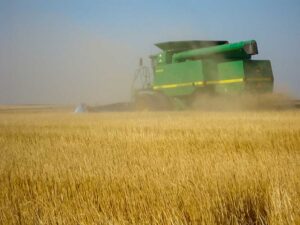
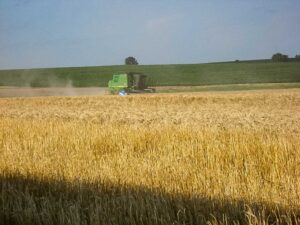
They say that rain makes a farmer look good. So was the case in the fall of 2025. The conditions were as good as you would ever want to plant wheat in. Every seed sprouted and grew quite well and created a lush green carpet. However, God had other plans. The dry weather in the spring of 2026 left this green carpet starving for moisture. Along with a cold snap that froze back the tillers. From what seemed a lead pipe bumper crop turned into hoping for enough to justify getting the c0mbine out of the shed. Wouldn’t you have it, the harvest once again was better than expected. Yes, it helped that our expectations were lowered, but we were still blessed to be able to harvest a decent amount.
The price of wheat remains volitile as the focus remain on global unrest. This can make for a short window of opportunity to market for a profit. The variety WD4595 somewhat rose above the others. Impacted by the area that was fortunate to get an extra shower at some point in time.
Wheat Harvest Highlights
- Whole farm average was 47.3 bushels per acre.
- Test weights ranged from 59 to 65 pounds per bushel.
- Grain moisture content averaged around 10.5%.
- The highest yield was 73 bushels per acre.
- The lowest yield was 32 bushels per acre
- The stubble left for ecofallow is thin.
Corn Harvest 2025
This year we began planting once again with a low profile of moisture. It seems to be the “new norm” as we continue to look for opportunities to plant after a timely shower. God did bless us with enough moisture during the growing season to keep the corn alive and keep the yield potential promising. As we begun harvest, we were plesantly surprised that the yields held up quite well, dispite the dry summer. Once again, rain does make grain as the yields varied significatly with the fields in those areas of blessings. Therefore, harvest followed the lines of dry fields as progress slowly proceeded to the wetter areas. Our whole farm dryland average was a bit better than last year on the dryland but not quite as good on the irrigated. The moisture content dried down enough to put all of the crop in a grain bag for later delivery. harvest was completed in early November.
Corn Harvest Highlights
- Test weights ranged from 57 to 59 pounds per bushel.
- Grain moisture content averaged around 15.5%.
- The dryland corn averaged 152.7 bushels per acre.
- The highest dryland yield was 192 bushels per acre.
- The lowest dryland yield was 81 bushels per acre.
- The irrigated yield was 228 bu/A.
James 3:18
Wisdom from Above
18 And a harvest of righteousness is sown in peace by those who make peace.